Education doesn’t change in a ministry meeting. It changes in a classroom — the moment a teacher decides to try something different.
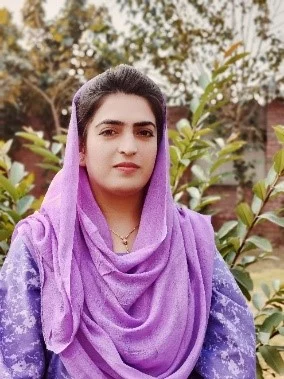
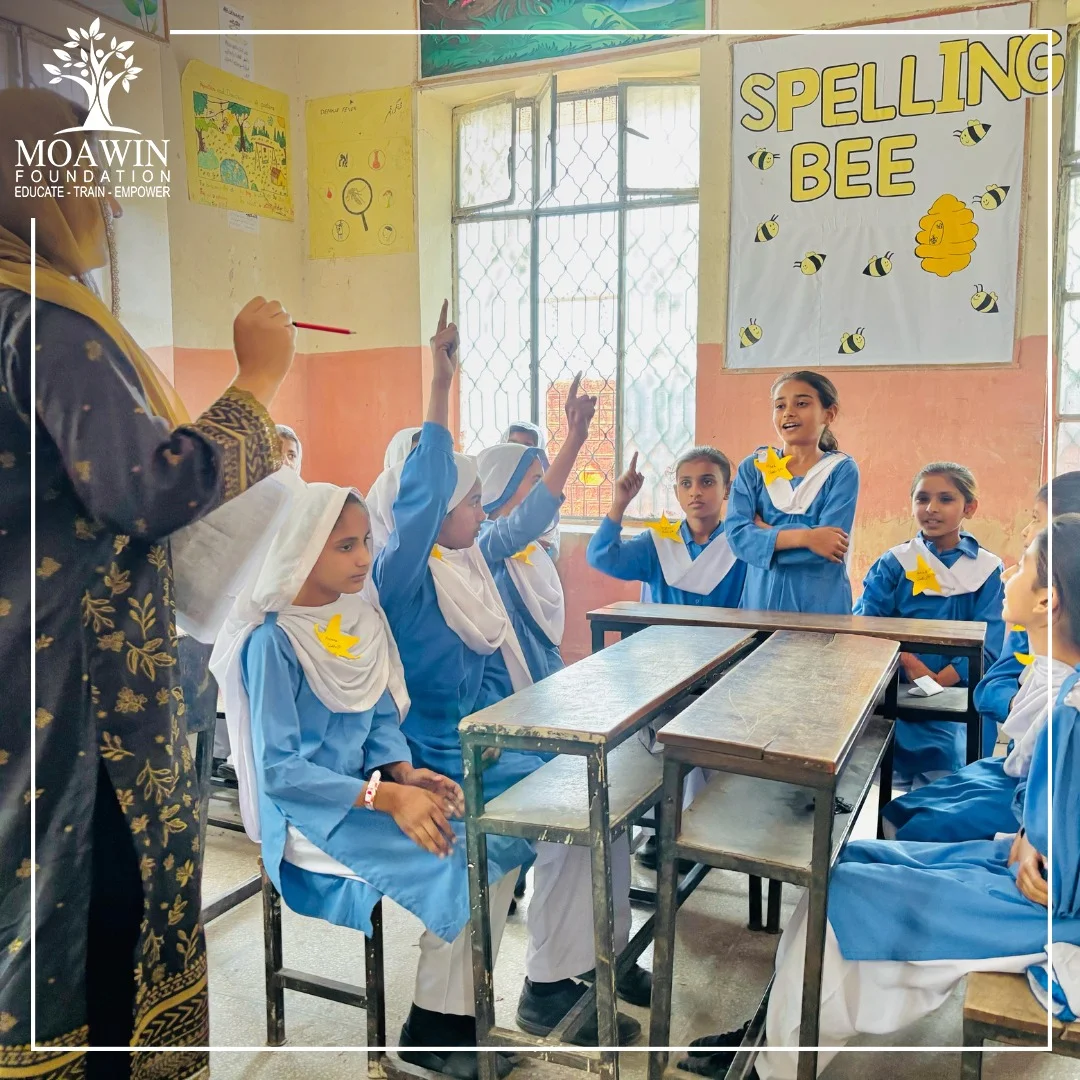
That’s exactly what happened at a Moawin Foundation-adopted school in Sheikhupura, where a teacher named Ms. Sara turned a room full of disengaged students into one of the most active classrooms in her district. Her story is a small but powerful window into what’s possible when teachers are given real training, not just resources.
The Problem Behind the Problem
Across many public schools in Pakistan, the challenge isn’t a lack of commitment — it’s a lack of support. Teachers show up every day, but without structured training, classrooms often default to rote memorization. Students learn to repeat answers, not to understand them. Over time, that shows up as declining engagement, rising absenteeism, and children who see school as something to get through rather than something to enjoy.
When Moawin Foundation began adopting government schools in underserved areas like Sheikhupura and Pind Dadan Khan, this was the pattern it found again and again. And it recognized something important: no new classroom, no new textbook, no new tablet would fix this on its own. The starting point had to be the teacher.
A Different Kind of Training
Moawin Foundation’s Teacher Training Program was built around one core idea — training should live in the classroom, not in a workshop handout. The program focuses on:
- Activity-Based Learning — turning lessons into group work, storytelling, and hands-on experiments
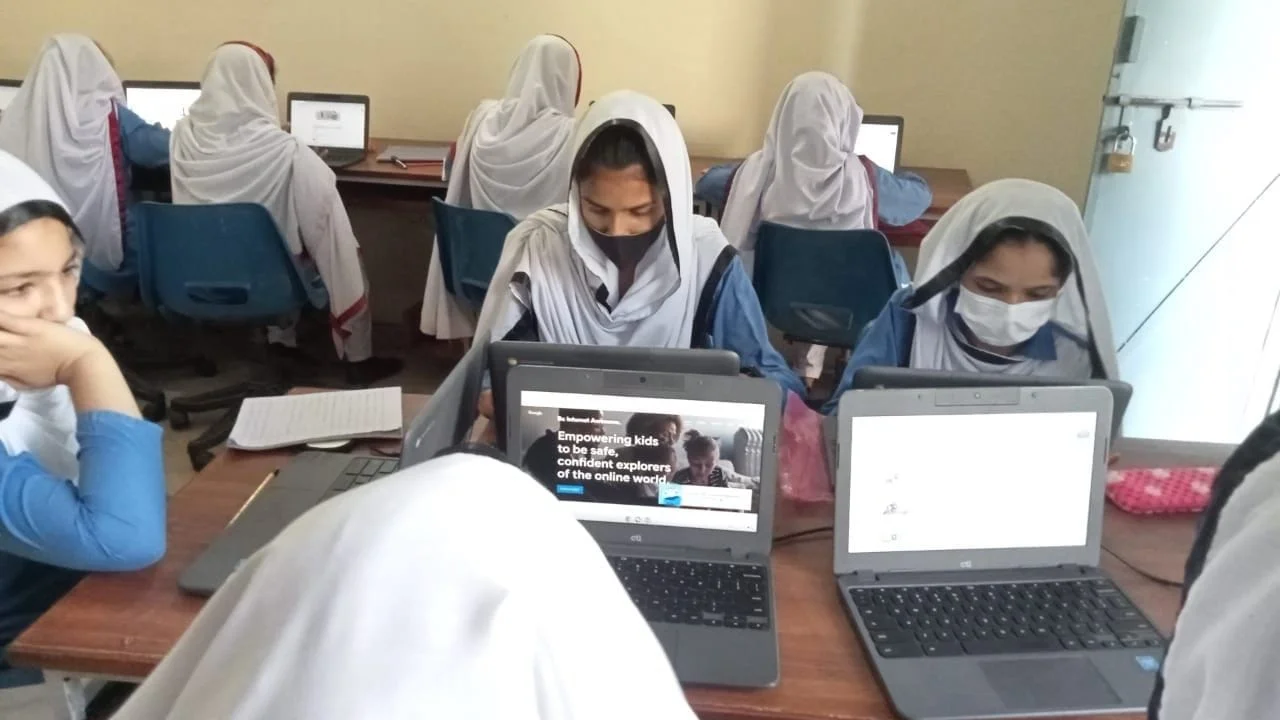
- Digital Literacy — helping teachers confidently use tablets, apps, and multimedia content
- Early Childhood Development (ECD) — preparing teachers to nurture younger learners, not just instruct them
- School Leadership Training — giving principals the tools to sustain momentum after the training ends
The difference from a typical workshop is simple: every session is designed to be used the next morning, not filed away.
What Changed in Ms. Sara’s Classroom

Before the training, Ms. Sara’s classroom looked like many others — lessons that felt repetitive, and students who were quietly checking out. Attendance was slipping.
After going through Moawin Foundation’s training and digital learning sessions, she rebuilt her lessons from the ground up. Urdu classes became storytelling sessions. Science lessons turned into experiments using materials she already had. And short tablet-based quizzes replaced some of the rote drills her students had grown tired of.
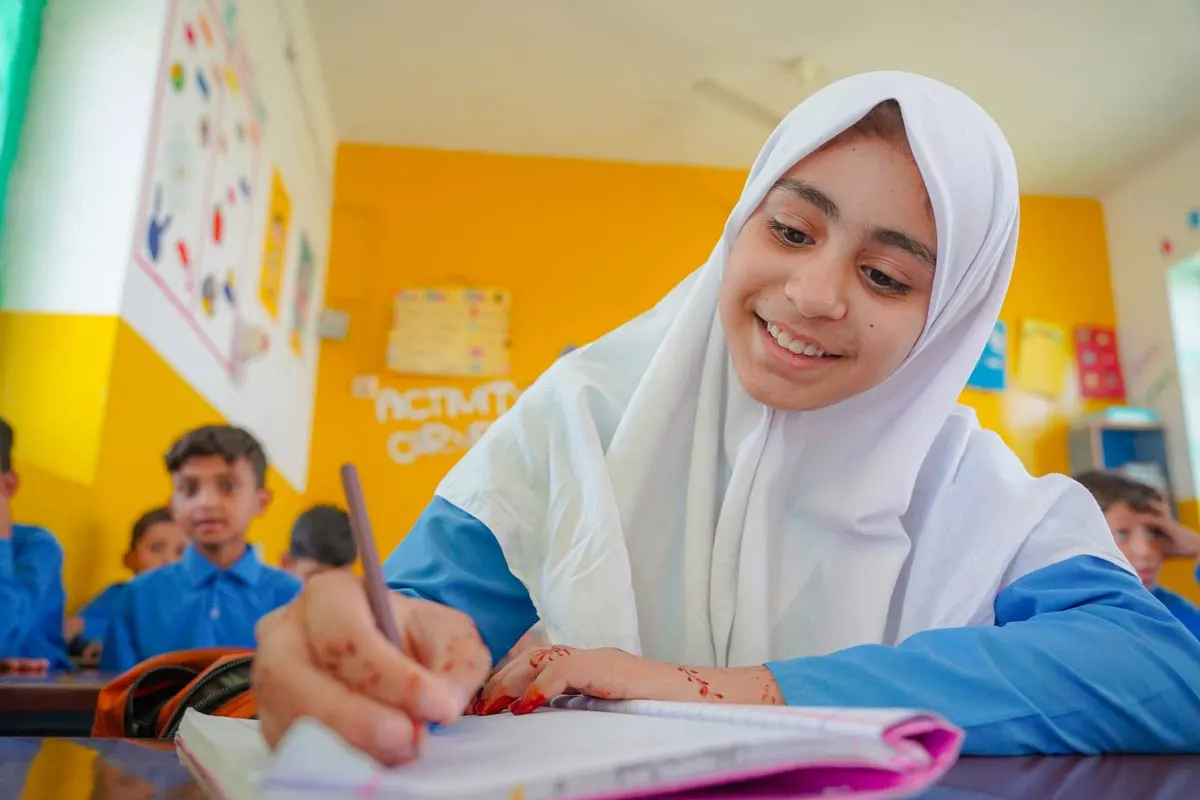
The shift happened fast. Within weeks, students who used to sit quietly were debating ideas out loud and helping each other work through problems.
“I realized my students were not disinterested; they were just waiting for a reason to be curious again.” — Ms. Sara
What started in one classroom didn’t stay there. Other teachers at the school noticed the change and began adapting her methods for their own lessons. Soon, the effects were visible school-wide: better attendance, more engaged parents, and children who no longer dreaded coming to class.
The Bigger Picture
Ms. Sara’s classroom is one story, but it reflects a pattern that’s now playing out across the country:
- 3,600+ teachers trained in effective, practical teaching methods
- 300+ schools strengthened through Moawin Foundation’s School Adoption Model
- Tens of thousands of students learning through creativity and collaboration instead of memorization
The numbers matter, but they’re really just a way of counting how many classrooms have had their own version of Ms. Sara’s turnaround.
Why This Model Works
Moawin Foundation’s experience points to three things that make teacher training actually stick, rather than fading out after the first month:
- Continuous Mentorship — ongoing coaching keeps teachers motivated and improving, instead of leaving them to apply a one-time workshop alone
- Digital Integration — blending traditional teaching with digital tools keeps lessons relevant to how students actually engage today
- Holistic Support — infrastructure upgrades, leadership training, and teacher development have to move together, not in isolation
A Model Built to Scale
Ms. Sara’s classroom is proof of something simple but easy to overlook: when teachers are equipped — not just told what to do, but shown how and supported along the way — entire communities feel the effect.
Moawin Foundation continues to expand this model across Pakistan, working toward a future where ongoing teacher development isn’t a special initiative, but a permanent part of how public education runs.
When a teacher grows, a generation thrives.