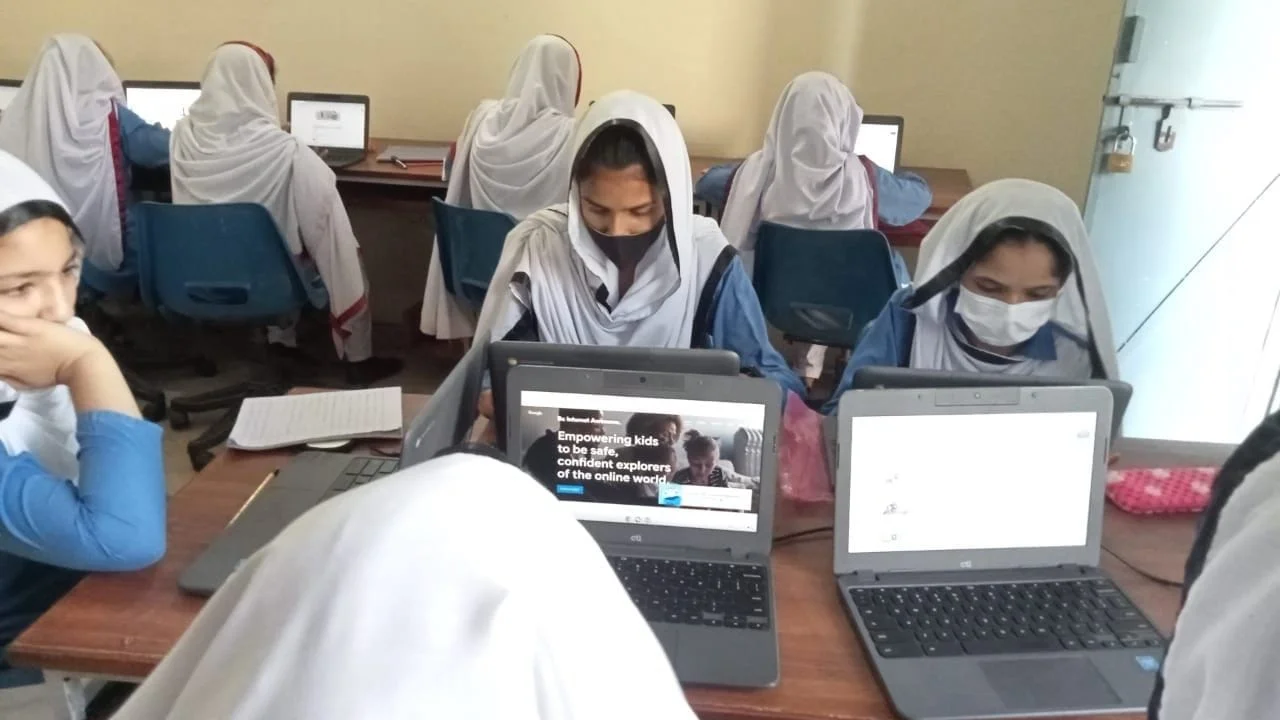
In Mulhal Mughlan, a rural community in District Chakwal, technology used to feel like something students read about rather than something they used. Classroom instruction covered the basics, but the tools that were reshaping the rest of the world stayed just out of reach.
One teacher decided that wasn’t going to be enough for her students.
A Teacher Who Saw the Gap Early
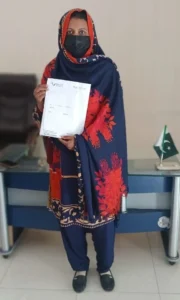
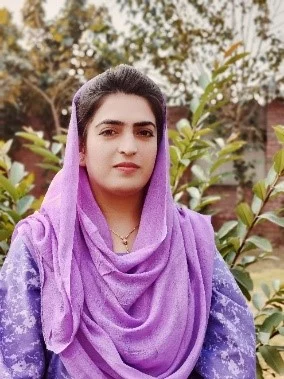
Since 2013, Miss Aisha Hafeez has taught computer scienceat Government Girls High School, Mulhal Mughlan. Year after year, she watched the world outside her classroom move faster — more digital, more connected, more skills-based. And she noticed her students weren’t keeping pace, not because they lacked ability, but because they lacked exposure.
Theoretical knowledge of computers wasn’t going to prepare them for what came next. They needed practical, hands-on digital skills. That gap became the starting point for everything that followed.
The Turning Point: Digital Safar
Everything shifted when Miss Aisha was nominated by Moawin Foundation for Digital Safar, an online training initiative run in partnership with Tech Valley. The program gave her access to modern teaching tools and methods built specifically to make digital learning more engaging and accessible — and two components in particular changed how she taught.
Be Internet Awesome
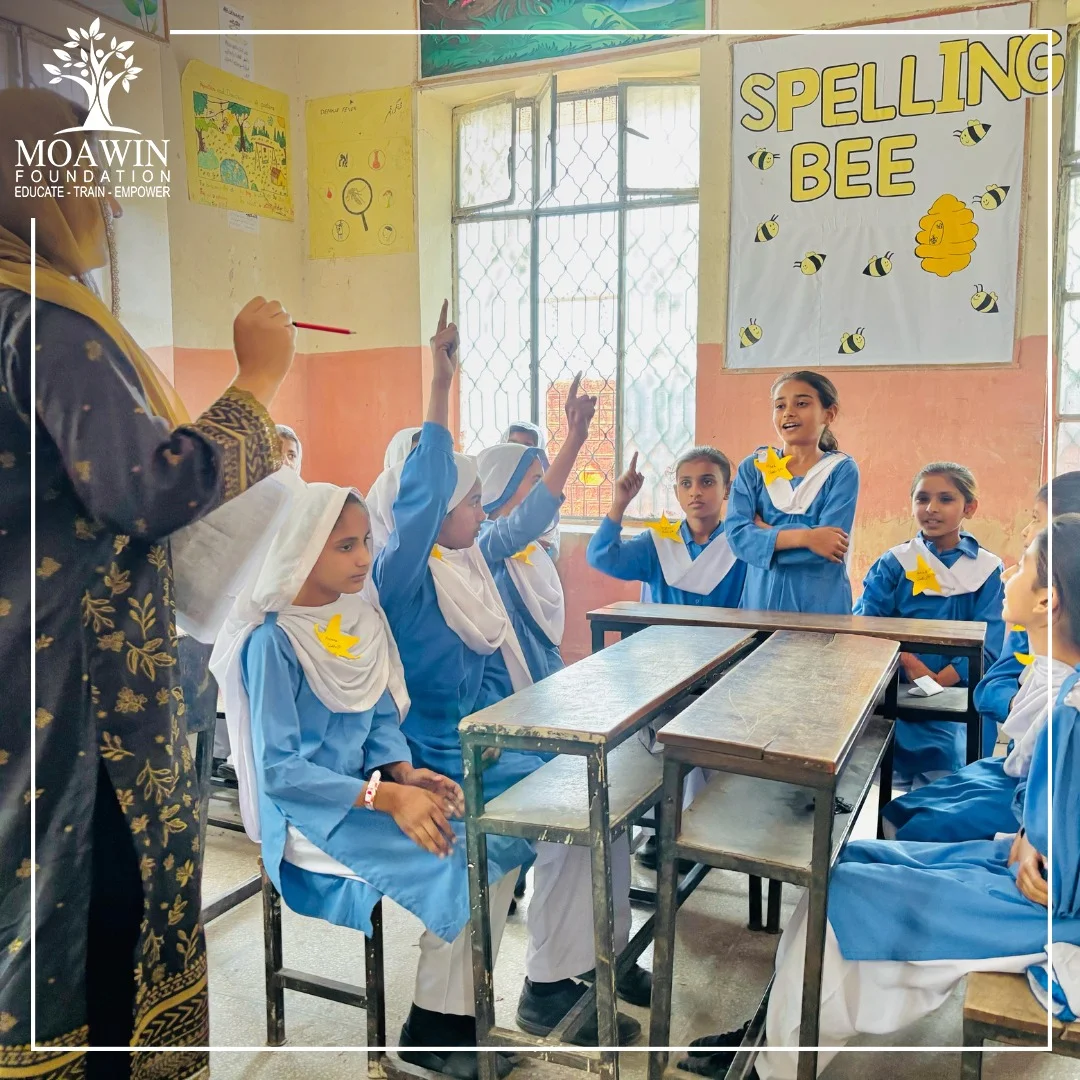
Through Google’s Be Internet Awesome module, Miss Aisha introduced her students to structured digital safety education, many for the first time. Using interactive activities, students learned how to protect their personal information, spot online risks, and practice respectful behavior online.
It wasn’t just information — it was confidence. Students who had once used the internet without much awareness of its risks started navigating it with a sense of responsibility.
Google CS First
Alongside digital safety, Miss Aisha brought Google CS First into her classroom, using Scratch-based activities to make coding approachable. What looked intimidating on paper turned into something students could actually build and experiment with.
Coding became less about syntax and more about creativity. Students started developing problem-solving instincts and logical thinking almost without realizing it — because they were having fun doing it.
A Classroom That Changed Shape
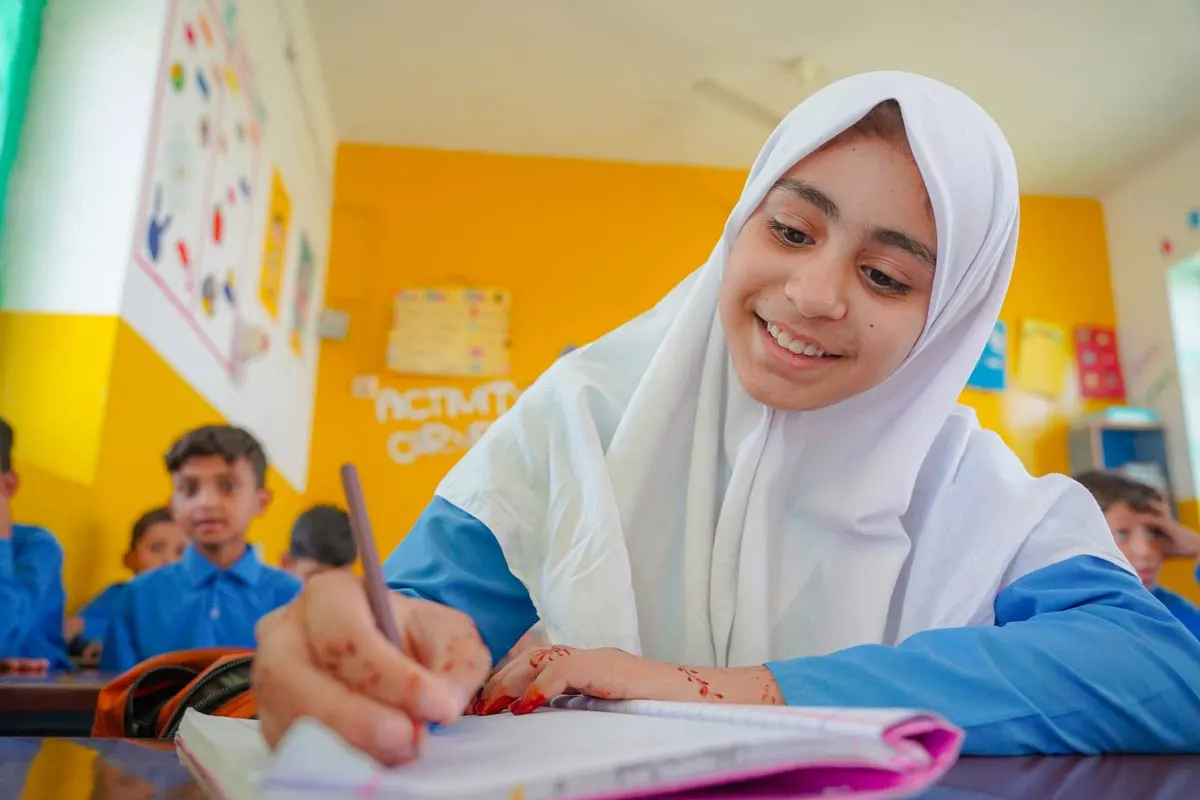
As Miss Aisha wove these tools into her everyday teaching, the shift in her classroom became hard to miss. Students grew more engaged, more confident, and more willing to try things they might have once considered “too technical.”
Digital literacy stopped being just about operating a computer. It became a way for students to express ideas, think critically, and create. And the change didn’t stay contained to her classroom — parents and the wider community began to take notice, and interest in enrollment grew as families saw the value of what their daughters were learning.
Why This Matters Beyond One Classroom
For Miss Aisha, this journey is about more than test scores or new skills. She sees digital literacy as a life skill — one that can open real doors for students, especially girls, in communities where those doors don’t always open easily.
She’s also clear that Moawin Foundation’s role went beyond a single training session. It’s part of building something larger: an ecosystem where teachers are genuinely empowered, students gain relevant, future-ready skills, and schools grow into stronger, more capable learning environments. That kind of support doesn’t just improve education — it builds confidence in the community’s future.
Still Moving Forward
Miss Aisha Hafeez continues guiding her students through their digital journey today, with a renewed sense of purpose. What started as a response to a gap she noticed has grown into a classroom that’s dynamic, hands-on, and genuinely preparing students for what’s ahead.
Her story is a clear example of what’s possible when digital literacy is taken seriously in Pakistan — and how structured programs paired with real teacher empowerment, the kind reflected across Moawin Foundation’s education and technology initiatives, can create change that lasts well beyond a single training session.